Cooker Extractor Fan: A Simple Definition
The Essential Guide to Cooker Extractor Fans: Enhancing Your Kitchen Experience
In modern kitchens, the cooker extractor fan is an essential appliance that often goes undetected until it's time to prepare a meal. This useful gadget serves multiple purposes: it helps to remove smoke, steam, smells, and excess heat that can emerge throughout cooking. With kitchens ending up being the heart of the home, understanding the significance, types, and features of cooker extractor fans is necessary. This thorough guide will take a better look at what cooker extractor fans are, their advantages, how to choose the ideal one for your kitchen, and address some regularly asked questions.
What is a Cooker Extractor Fan?
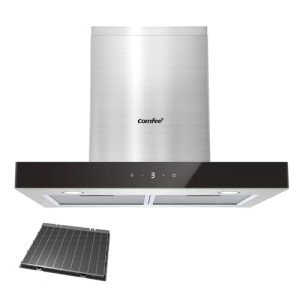
A cooker extractor fan, often described as a Range Cooker Hood hood or kitchen Oven Hood, is created to ventilate the kitchen environment by eliminating air-borne impurities produced during cooking. These pollutants consist of smoke, grease particles, steam, and unpleasant smells. The fan works by either filtering the air and recirculating it back into the kitchen or expelling it outside, depending on the kind of extractor fan.
Benefits of Using a Cooker Extractor Fan
Setting up a cooker extractor fan in your kitchen features a huge selection of benefits:
| Benefit | Description |
|---|
| Improves Air Quality | Removes smoke, odors, and harmful particles, promoting healthier indoor air. |
| Enhances Comfort | Keeps the kitchen cooler and more enjoyable, particularly throughout heavy cooking. |
| Reduces Grease Build-Up | Avoids grease from picking surface areas, extending the life of your kitchen. |
| Reduces Excess Humidity | Lowers the wetness level in the air, preventing mold and mildew. |
| Improves Overall Kitchen Aesthetics | Lots of designs are created to be elegant and improve the kitchen decoration. |
Types of Cooker Extractor Fans
When it comes to selecting the ideal cooker extractor fan, comprehending the various types readily available is vital. Below is a breakdown of the primary types.
| Type | Description | Benefits | Drawbacks |
|---|
| Chimney Extractor Fan | Installed on the wall above the stove; includes a chimney to vent outdoors. | Effective for big kitchens; aesthetic appeal. | Installation can be troublesome. |
| Under-Cabinet Extractor Fan | Installed under kitchen cabinets; compact and space-saving. | Perfect for small kitchens; easy installation. | Less effective than chimney versions. |
| Island Extractor Fan | Hangs from the ceiling above an island stove; provides a modern look. | Trendy and practical; effective suction. | Requires enough ceiling height; more costly. |
| Recirculating Extractor Fan | Filters and cleans up air before returning it to the kitchen; no ductwork required. | Simpler to set up; efficient in homes. | Requires regular filter replacement. |
| Downdraft Extractor | Constructed into the counter top; increases when required to capture smoke and smells. | Space-saving and discreet; great for modern kitchens. | Usually less effective; typically expensive. |
Key Features to Consider
When selecting a cooker extractor fan, it is necessary to comprehend the features that add to its performance and appeal. Here are some critical functions to keep in mind:
Extraction Rate: Measured in cubic meters per hour (m3/h), the extraction rate indicates how efficiently the fan can ventilate your kitchen. Preferably, choose a fan with an extraction rate that fulfills the requirements of your cooking habits.
Noise Level: Measured in decibels (dB), a quieter fan is typically preferred. Look for a model with a low sound level, specifically if your kitchen is open to living spaces.
Size and Design: Choose a size that matches your kitchen space. Take note of the aesthetic appeal as well, as extractor fans can vary considerably in style.
Ducting Options: Some extractor fans vent the air outside, while others recirculate it. If you have the choice for outside ducting, it is generally more reliable at eliminating odors and contaminants.
Control Options: Look for designs with easy to use controls-- some might provide touch controls, push-button control options, or clever technology integration.
Regularly Asked Questions (FAQs)
1. Do I require a cooker extractor fan for my kitchen?While it is not
legally needed, having a cooker Hob Extractor fan is extremely recommended to keep air quality, reduce grease buildup, and ensure a comfortable cooking environment.
2. How do I tidy and maintain my extractor fan?Regular maintenance consists of cleaning up the filters (which can be washable or non reusable)and wiping down the outside with non-abrasive cleaners. Follow the maker's guidelines for detailed upkeep standards. 3. How frequently need to I replace the filters?This depends upon the type of
filters utilized. Recirculating filters must be changed every 3 to 6 months, while grease filters may only need cleansing or changing as soon as a year. 4. Can I use an extractor fan if my kitchen does not have external ventilation?Yes, you can use a recirculating extractorfan that filters the air before launching it back into the kitchen. Nevertheless, be prepared
to alter filters regularly. 5. What size extractor fan do I need?The size depends on your cooking habits and kitchen dimensions. As a basic standard, the fan needs to be at
least as wide as your cooking surface area, with an extraction rate of 10 times the kitchen volume per hour being ideal. A cooker extractor fan is more than simply a home appliance; it is a vital element of a well-maintained kitchen. By successfully eliminating smoke, odors, and steam, it enhances the general cooking experience while promoting a healthy living environment. When selecting an extractor fan, consider the types available, their crucial features, and the advantages they bring to your home. With appropriate care and maintenance, a cooker extractor fan will serve you reliably for several years, guaranteeing your kitchen stays a pleasant and inviting space for culinary creativity.